
Written by Dahlia Soriano and Leandro Libod Rosete
The Bachelor of Secondary Education (BSED) program has introduced the Theory-to-Practice Immersion Program (T-PIP) for Academic Year 2025–2026 as part of its continuing curricular innovation under the BEACON Series, an programmatic framework designed to support professional formation, experiential engagement, and outcomes-based teacher education. The program is aligned with global and national educational priorities, particularly Sustainable Development Goal 4 (Quality Education) and the Philippine Professional Standards for Teachers (PPST), which emphasize the preparation of competent, reflective, and practice-oriented educators.
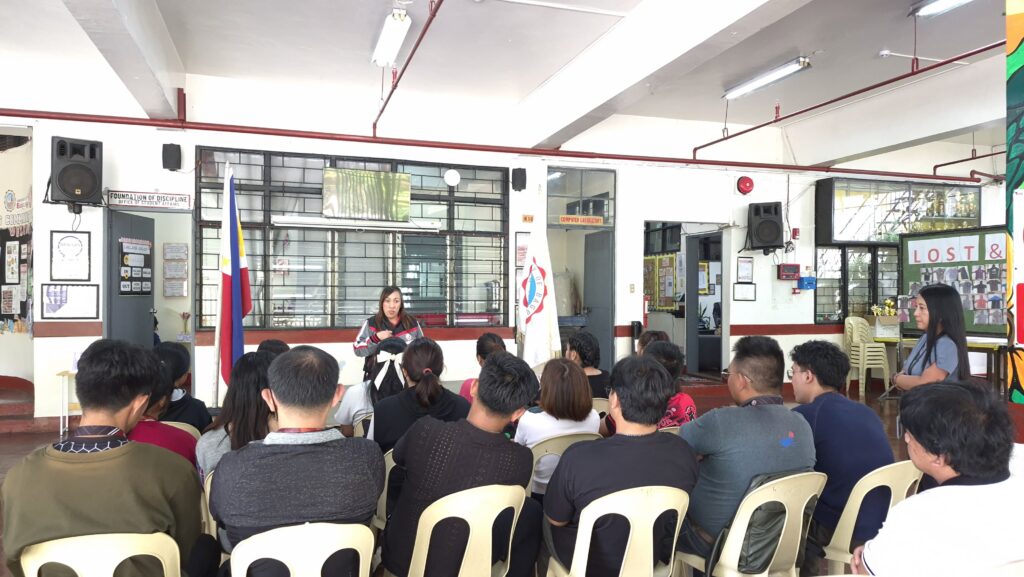
T-PIP operationalizes experiential learning by bridging theoretical coursework with authentic school-based experiences. The program is implemented through a collaborative partnership between the BSED program and the university’s laboratory schools, namely University of Baguio High School (UBHS) and University of Baguio Laboratory Elementary School (UBLES). These laboratory schools function as structured mentoring environments where pre-service teachers engage with experienced educators and school leaders in observing instructional practices, curriculum implementation, assessment strategies, and school leadership processes. Such collaborations represent a mentoring mechanism that strengthens the practical dimension of teacher preparation.
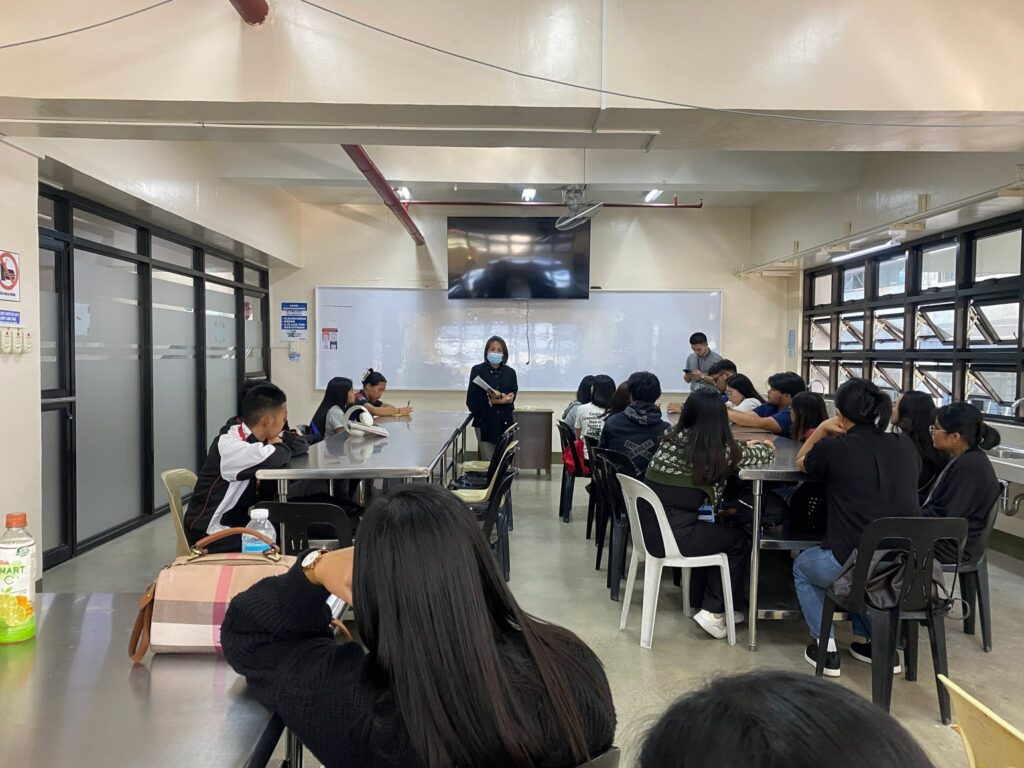
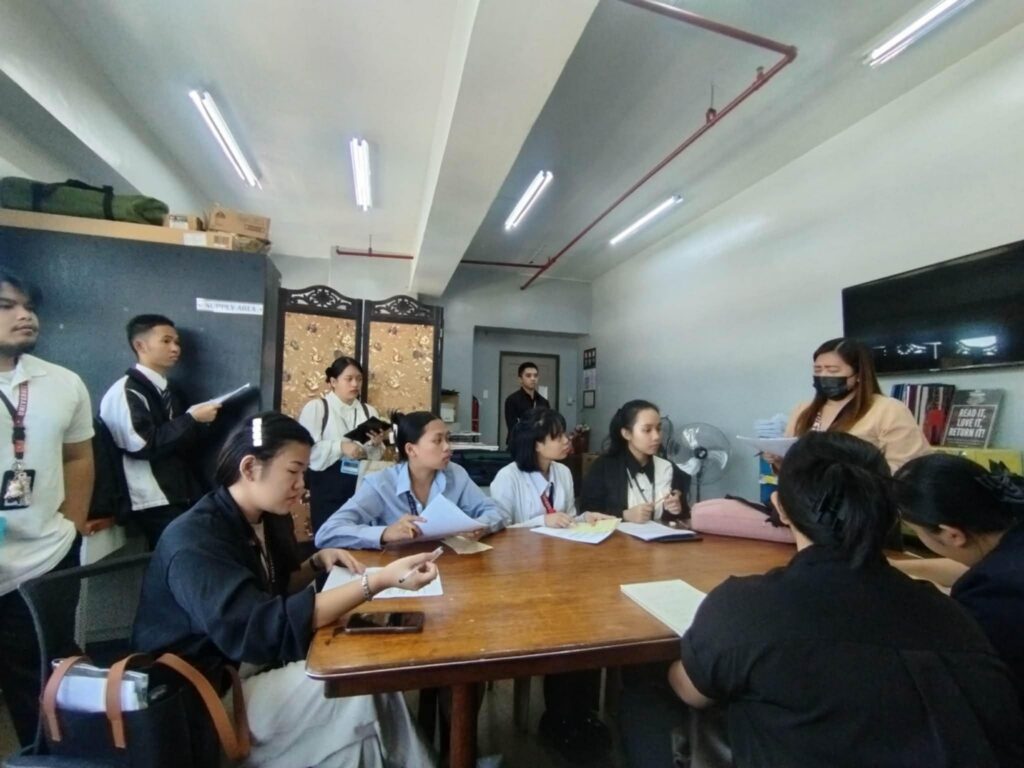
Program orientation sessions were conducted on February 26 and 27, 2026 to formally introduce the immersion program to third-year pre-service teachers. Students enrolled in the Bachelor of Elementary Education (BEED) program attended the orientation at UBLES on February 26, while BSED students participated in the orientation at UBHS on February 27. The orientation sessions were facilitated by school administrators and mentor teachers who outlined the objectives, expectations, and professional protocols of the immersion program. Key speakers included Ms. Diana Lyn G. Tamayo, Assistant Principal of UBLES; Ms. Rowena Severo, Assistant Principal of UBHS; and Ms. Nenita Diego, Grade Level Coordinator, who collectively provided guidance on school policies, professional standards, and engagement expectations that will guide the pre-service teachers throughout the immersion period.
The T-PIP is integrated into several professional education courses within the teacher education curriculum, including Assessment 2 (EDASSE2), The Teacher and the School Curriculum (EDTESC1), and The Teacher and the Community, School Culture, and Organizational Leadership (EDTCOM1). Students participating in the program conduct structured classroom observations and school-based engagements at least twice monthly from February to April. These engagements enable pre-service teachers to observe classroom instruction, analyze curriculum implementation, examine school culture and leadership dynamics, and document their professional learning through reflective journals and learning artifacts.
The implementation of T-PIP also reinforces competency development consistent with the PPST. Specifically, the program supports the development of competencies related to content knowledge and pedagogy, learning environment management, curriculum planning and implementation, assessment and reporting practices, community linkages, and professional engagement. By situating learning within authentic school environments, the program provides opportunities for pre-service teachers to critically reflect on the complexities of teaching and the organizational structures that shape educational practice.
Anchored in experiential learning and reflective practice, the T-PIP represents a strategic initiative that strengthens the integration of theory and practice in teacher education. Through structured early immersion in school contexts, the program contributes to the advancement of Sustainable Development Goal 4 (Quality Education) by preparing future educators who are responsive to diverse learner needs and capable of engaging in reflective professional practice. As part of the BEACON Series, T-PIP reflects the BSED program’s continuing commitment to innovative, practice-oriented, and globally responsive teacher preparation.