Written by Dr. Kareen Leon & Ms. Lenilyn Malicdem
Photos courtesy of Rene Pascua (Linkages Office, Marketing and Promotions Unit)
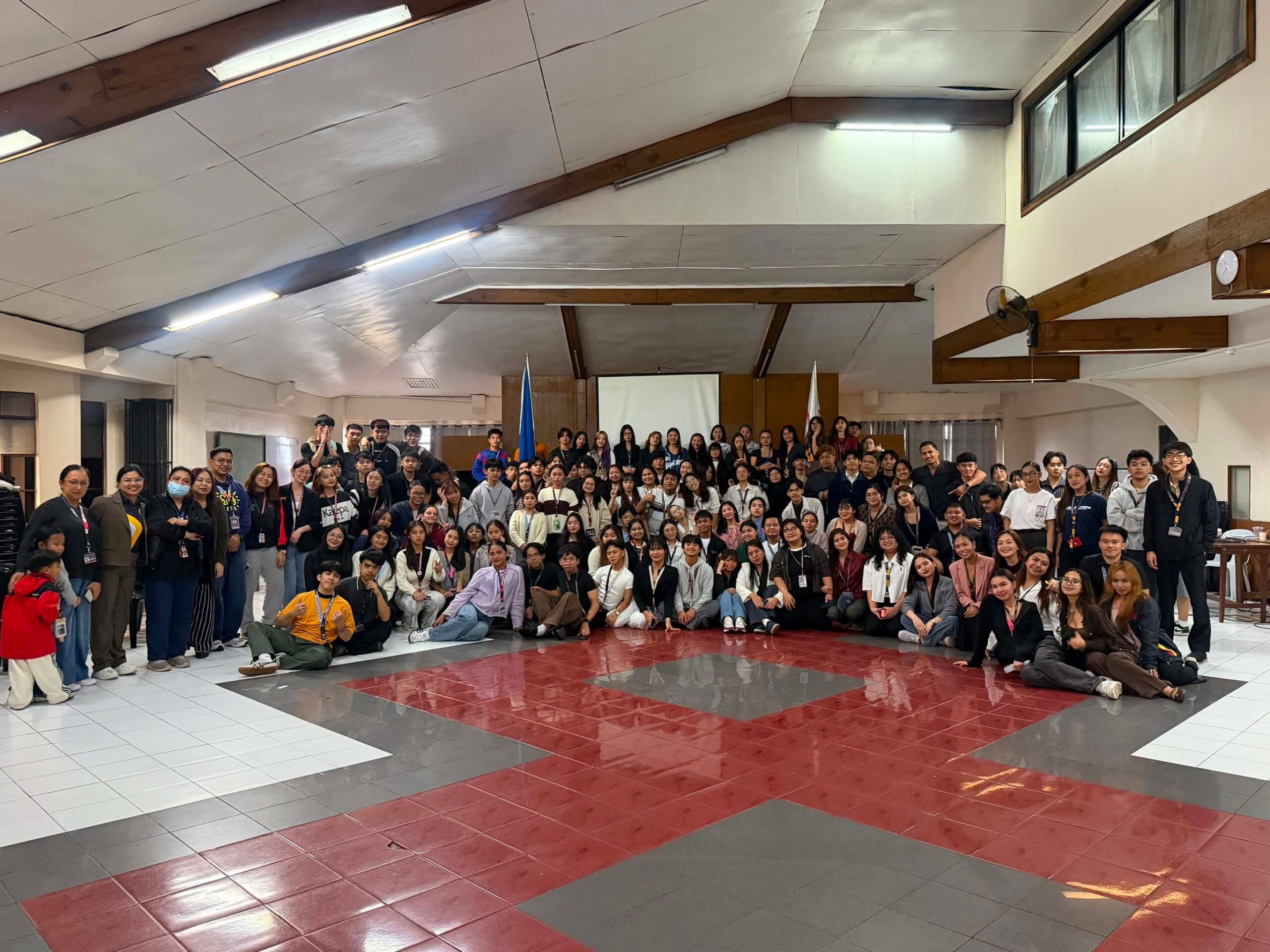
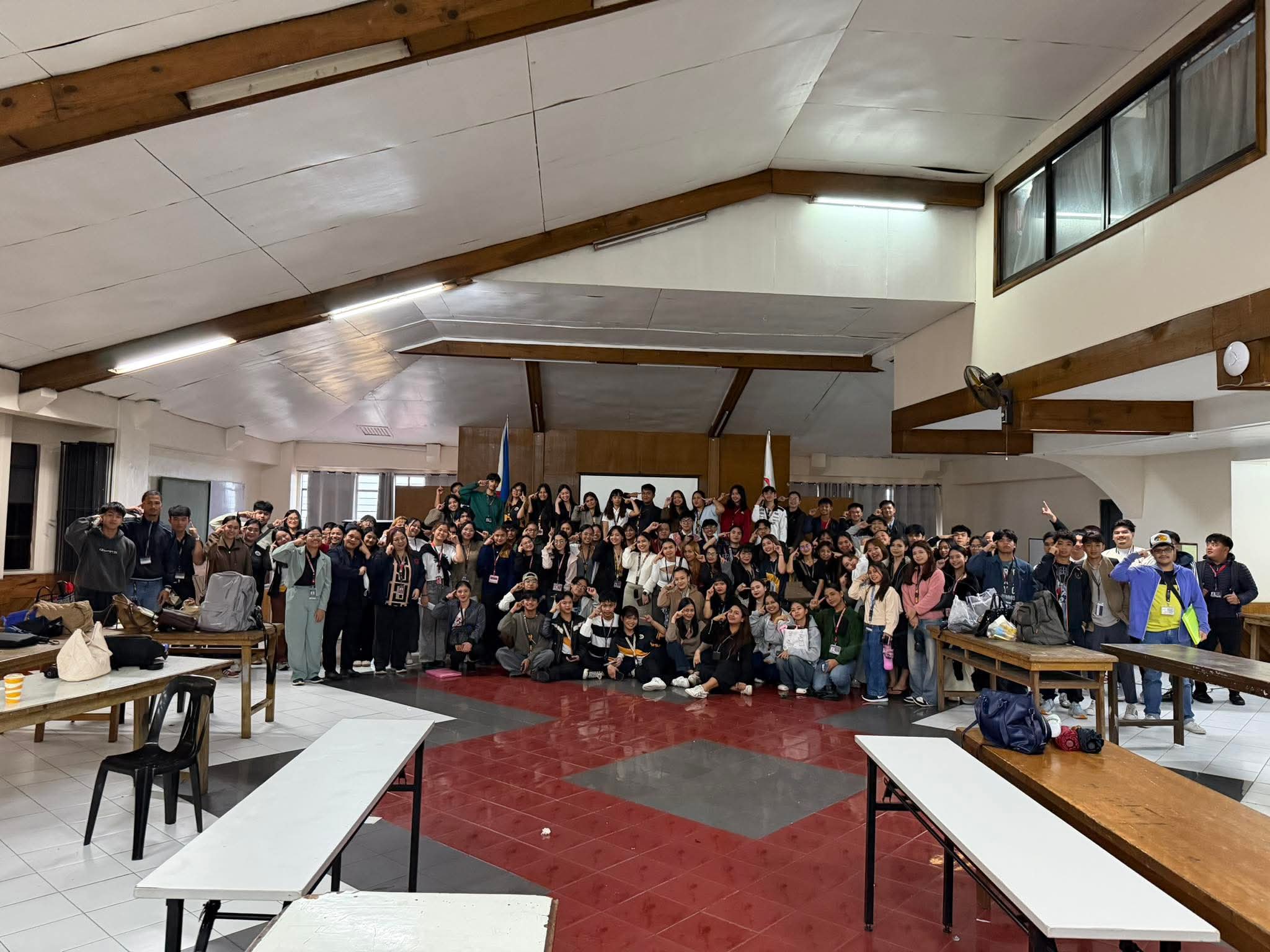
The University of Baguio (UB) successfully conducted the two afternoon sessions of the Professional Reinforcement for Innovation and Mentorship in Education (PRIME) for its Deans, Program Chairs and Subject Heads on May 25 and 26, 2026, at the FGB Hall, focusing on the Blackboard Learning Management System (LMS). The session formed part of the university’s continuing commitment to strengthen innovative, technology-driven, and outcomes-based education practices among academic leaders and faculty members. The two-day, May 25 to 26, 2026 activity is also a Management Development Program – Strategic University Management for Mobilizing Institutional Transformation (MDP – SUMMIT) endeavor in coordination with the Human Resource Management Center (HRMC). This was participated in by a total of 44: nine (9) Deans, the Admission and Records Center (ARC) Director, the Management Information System (MIS) Director, the Quality Assurance Office (QAO) Director and 32 program chairs/subject heads.
The two-day afternoon training-workshop featured Mr. Greggy “Iggy” Calauad, Ms. Mikee Valles, and Mr. Elden Pasturan as distinguished speakers and facilitators of MegaTEXTS Phil., Inc., who guided the participants through the essential functions and advanced features of Blackboard LMS. Their expertise provided the deans, directors, program chairs and subject heads with practical strategies in maximizing digital learning platforms to improve instructional delivery, student engagement, and course management in higher education.
During the first part of the workshop in Day 1 held from 1:00 PM to 3:00 PM, participants were introduced to Ultra Navigation Overview, where they explored the base navigation page, landing pages, account profile setup, notification settings, help icons, and courses page. The speakers also discussed the Course Interface, which included course menus, faculty access, course schedules, course settings, student preview, and other important management tools. Another highlight of the session was Course Building – Part I, where attendees learned how to auto-generate modules, images, questions, rubrics, and discussions, as well as utilize SafeAssign to promote academic integrity.

The second part of the day 1 workshop from 3:15 PM to 5:00 PM focused on Course Preparation – Part II and Blackboard Best Practices. Participants gained a deeper understanding of group management, release conditions, forced sequence settings, course templates, batch editing, assessment settings, and quick search functionalities. The session concluded with an open discussion, reflection activity, and question-and-answer portion that allowed participants to share insights and best practices in integrating Blackboard LMS into their respective programs.
Building on the foundational discussions from Day 1, the continuation session on Day 2 in the afternoon focused on advanced course management, student assessment, analytics, and communication tools that further strengthen outcomes-based and technology-enhanced learning in the university.
The workshop was again facilitated by Mr. Calauad, Ms. Valles, and Mr. Pasturan, whose expertise in digital learning systems and instructional technology provided participants with deeper insights into effective Blackboard LMS implementation. Through interactive demonstrations and hands-on activities, the speakers guided deans and program chairs in maximizing Blackboard’s features to improve student engagement, academic monitoring, and instructional efficiency.
The first Day 2 afternoon session from 1:00 PM to 3:00 PM focused on Course Preparation – Part III, where participants explored the gradebook interface, grade items, grading schema, grade posting adjustments, grade calculations, and grade color indicators. The speakers also introduced practical approaches in attempting courses from the student perspective, allowing participants to experience how learners access courses, submit assignments through SafeAssign or Turnitin-enabled platforms, take examinations, participate in discussions, and monitor academic progress. Another key component of the training involved checking student submissions, including reviewing tests, grading assignments using Bb Annotate and SafeAssign, and responding effectively within discussion forums.
The second half of the day 2 session from 3:00 PM to 5:00 PM centered on Understanding Analytics and Communication Tools. Participants learned how Blackboard analytics can be utilized to monitor student progress, track student activity, evaluate course engagement, analyze question performance, and identify course activities related to grades. The workshop also highlighted Blackboard’s communication tools, including announcements, messages, calendars, feedback systems, notes, and mobile application integration, which support timely and effective interaction between faculty and students. The day concluded with an open discussion, reflection session, and exchange of best practices among participants.
The two half-day activities reinforced the university’s mission of advancing quality education through innovation, digital transformation, and collaborative leadership. Through the PRIME initiative, UB continues to empower academic leaders with competencies that support flexible, technology-enabled, and learner-centered education.
It can be recalled that last February 27, 2026, the deans, program chairs, and selected teachers joined the first training-workshop event outlining the Blackboard features and roadmap. This was also held at the UB FGB Hall. This two-half-day event strongly aligns with the United Nations Sustainable Development Goal (UN-SDG) 4: Quality Education, as it promotes inclusive and equitable quality education through the enhancement of digital teaching and learning competencies among educators. It also supports SDG 8: Decent Work and Economic Growth, through continuous professional development for educators and academic leaders, as well as SDG 9: Industry, Innovation, and Infrastructure by encouraging the integration of innovative educational technologies and digital infrastructure in academic institutions. Furthermore, the training contributes to SDG 17: Partnerships for the Goals by fostering collaboration among educational leaders, technology facilitators, and institutional stakeholders in achieving transformative and sustainable educational practices.