Written by Sabrina Brineth A. Ramos
The School of Teacher Education and Liberal Arts (STELA) of the University of Baguio strengthened its commitment to academic innovation and professional growth as it held the BEACON Series seminar, “Strengthening Pathways: An Echo Seminar on the Ladderized System for Teacher Education,” on November 7, 2025, in the Centennial Hall. Designed to enhance institutional readiness for policy shifts in teacher education, the activity aimed to disseminate updates from the Teacher Education Council (TEC), deepen faculty understanding of the ladderized framework, and foster collaboration across academic clusters—echoing UB’s mission of delivering responsive and future-oriented education.

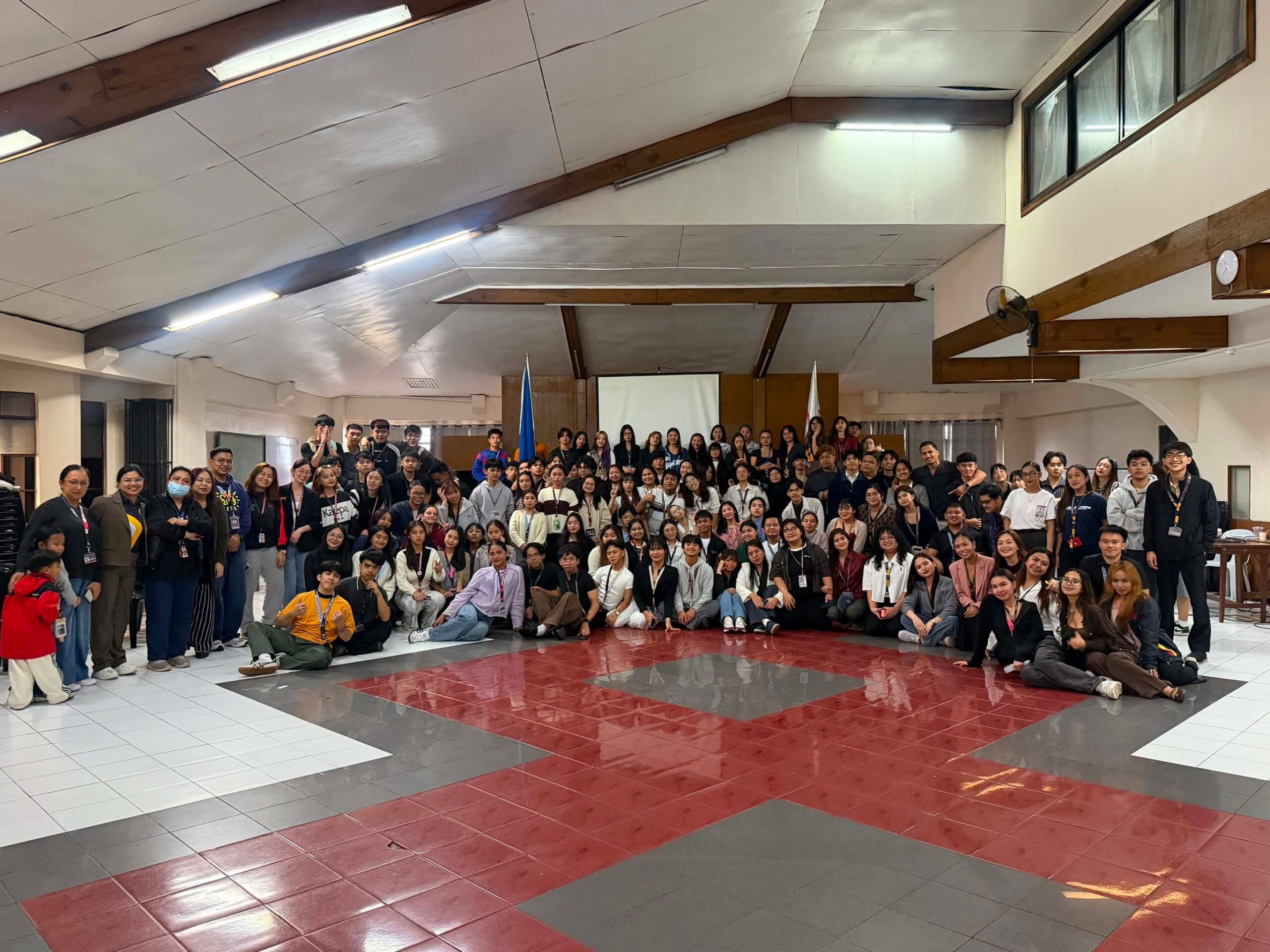
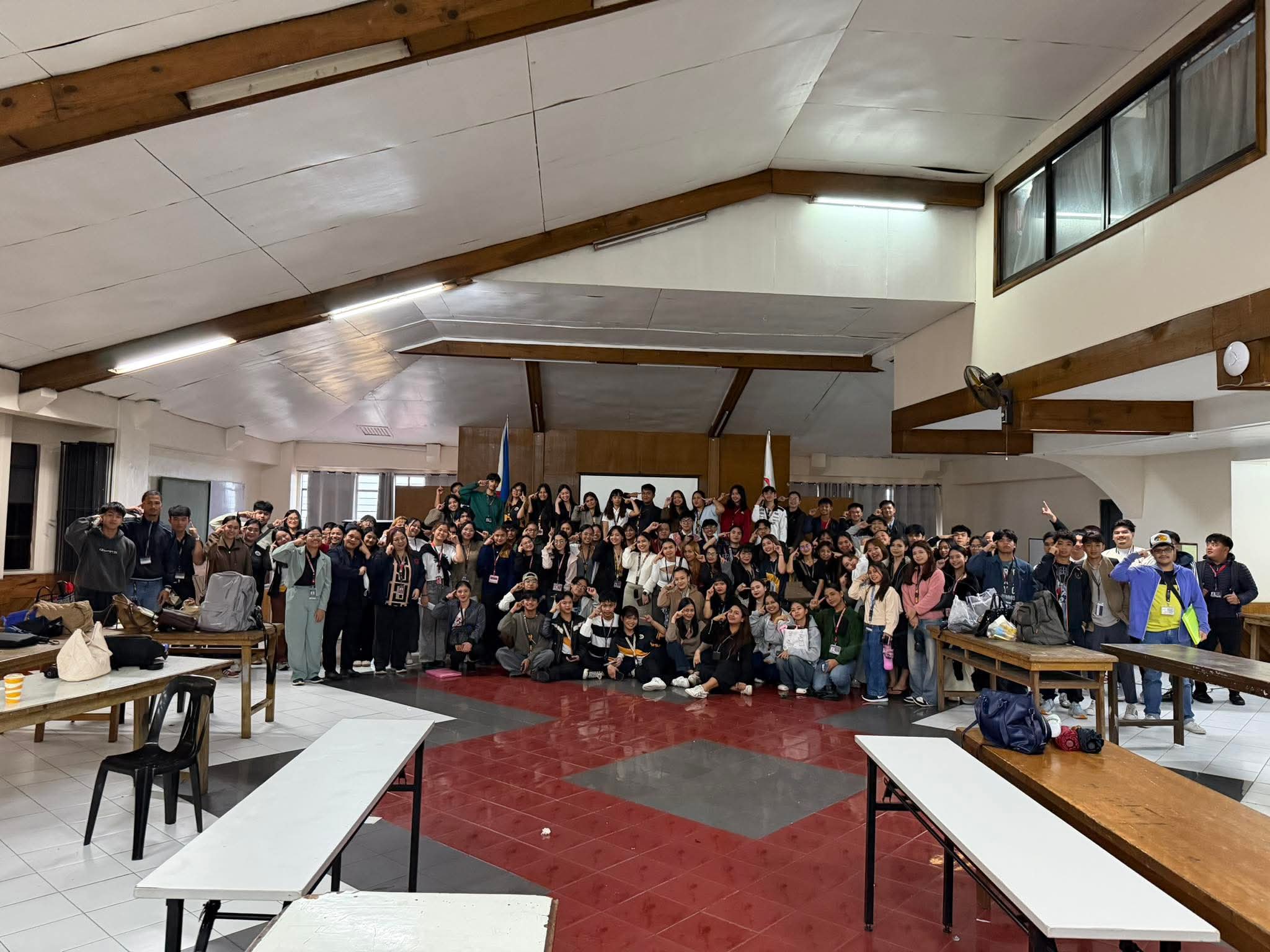
A total of 34 faculty members participated in the onsite seminar, representing BSEd (12), BEEd (11), BPED (9), BAEL (1), and the STELA Dean. This strong turnout demonstrated the collective commitment of faculty across programs to strengthen curriculum alignment, enhance student mobility, and revisit program structures through the lens of emerging national reforms.
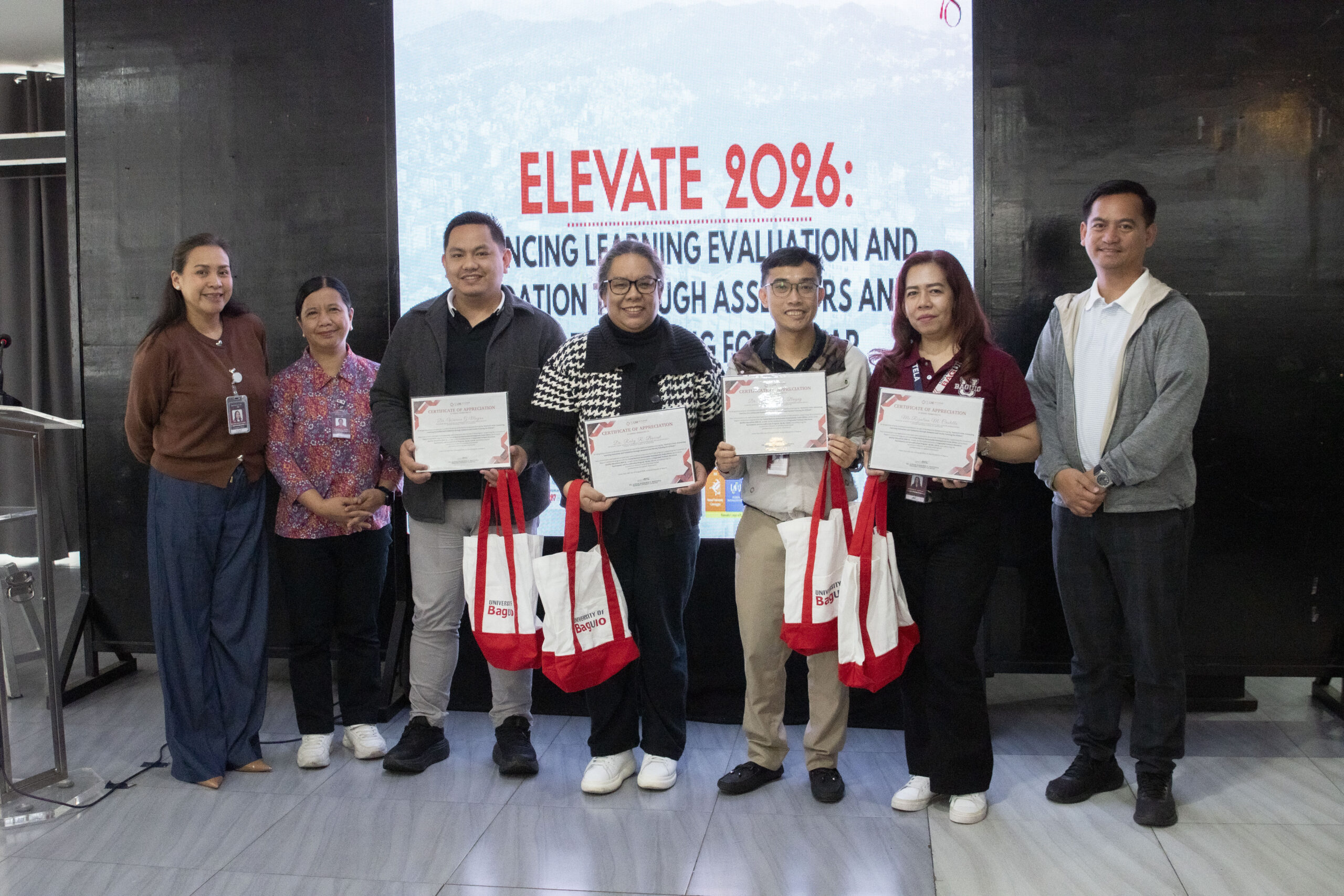
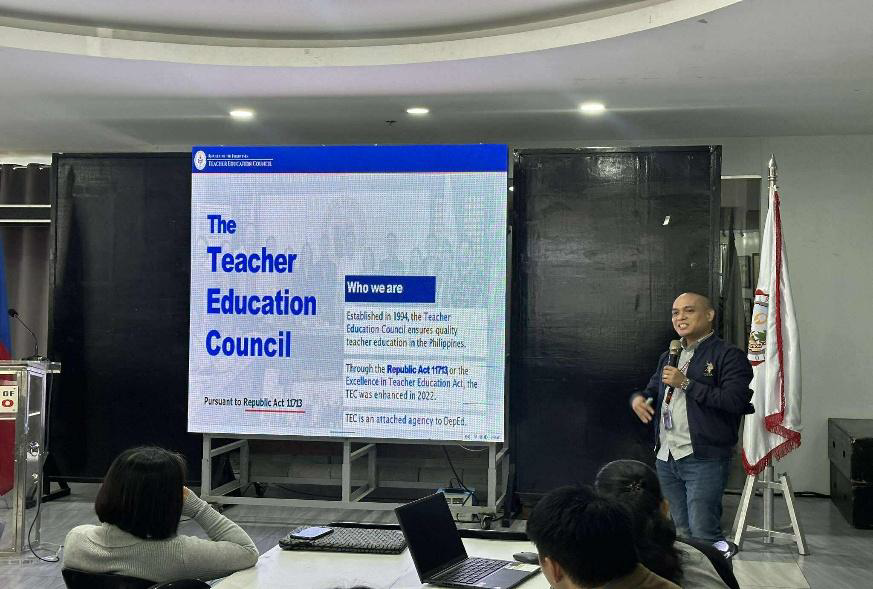
Led by Dr. Jheson O. Dacanay, UB PhD in Development Education alumnus and Assistant Professor at Universidad de Dagupan, the seminar unpacked insights from TEC’s national policy consultations. Dr. Dacanay explained how ladderized and competency-based pathways aim to integrate flexible progression routes, streamline qualification requirements, and ensure that teacher education programs remain attuned to evolving standards. His discussion emphasized the importance of aligning institutional curricula with updated TEC directions—a move that will bolster teacher preparedness and reinforce UB’s role in producing globally competent educators.
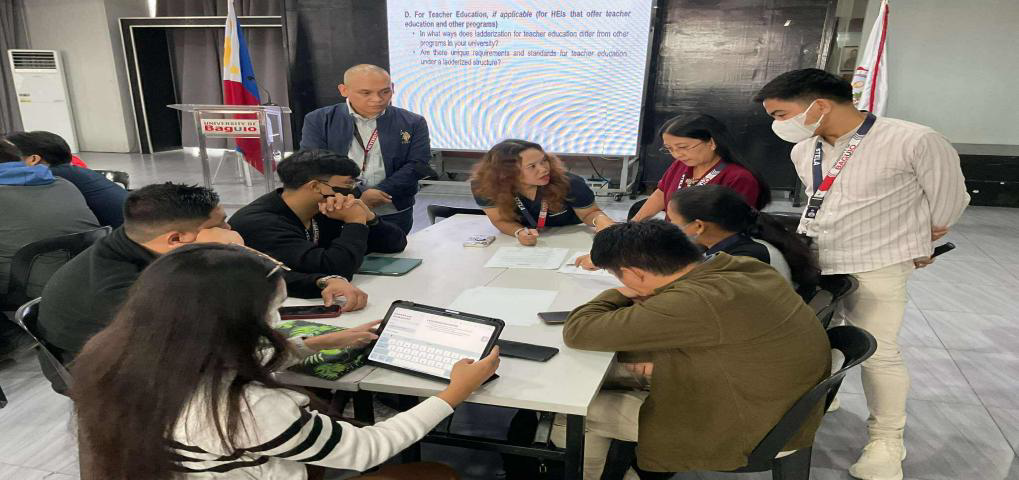
The second segment of the seminar featured a cluster-based Focus Group Discussion (FGD), where faculty groups representing BSEd, BEEd, and BPED examined the ladderized system from a programmatic viewpoint. Guided by key questions, participants assessed their baseline knowledge, identified existing practices, surfaced challenges in implementation, and proposed recommendations to strengthen readiness for the ladderized approach. The clusters later presented their outputs, highlighting actionable strategies for curriculum enhancement, improved assessment alignment, and more coherent pathways for student progression.
These discussions not only clarified institutional priorities but also fostered a deeper appreciation of collaborative decision-making in curriculum development.
This initiative contributes to SDG 4 (Quality Education) by promoting inclusive and equitable pathways that expand opportunities for learners and educators alike. It is likewise aligned with SDG 4.7.1, which advances education for sustainable development through strengthened teacher preparation, and supports PPST Domain 7 (Personal Growth and Professional Development) by emphasizing reflective practice, professional learning, and continuous improvement. Through its focus on policy responsiveness, curriculum innovation, and faculty capability-building, the seminar underscores the University’s commitment to global educational standards.

The seminar’s impact extended beyond knowledge updates. Faculty members reported increased clarity on TEC directions and expressed greater confidence in navigating program reforms. The collaborative nature of the FGDs strengthened inter-BPED cluster representative presenting the group’s output program communication, ensuring that curriculum adjustments are informed by shared insights rather than isolated responses. In the long term, these efforts are expected to enhance institutional coherence, support more flexible learning pathways, and contribute to sustainable teacher development practices across STELA programs.
By embedding SDG-linked professional learning into its faculty development initiatives, STELA reinforces the University of Baguio’s vision of cultivating educators who are adaptive, future-ready, and professionally engaged. “Strengthening Pathways” ultimately served not only as an information-sharing platform but as a strategic step toward reshaping teacher preparation at UB—ensuring that the ladderized approach becomes a catalyst for excellence, collaboration, and long-term educational impact.