
Written by: Ma. Aurora G. Luzano ||
Helping young learners improve their reading ability is one of the most important responsibilities of educators. During the third week of off-campus deployment, Ma. Aurora G. Luzano, a fourth-year Bachelor of Elementary Education (BEED) student from the University of Baguio, participated in the implementation of a Pabasa Program for struggling readers at Elpidio R. Quirino Elementary School (ERQES). The program aimed to provide remedial instruction for Grade 3 learners who were experiencing difficulties in reading. Around fifteen students were identified to participate in the sessions, which were facilitated by Luzano together with fellow pre-service teachers Teacher Reynosa and Shawn.
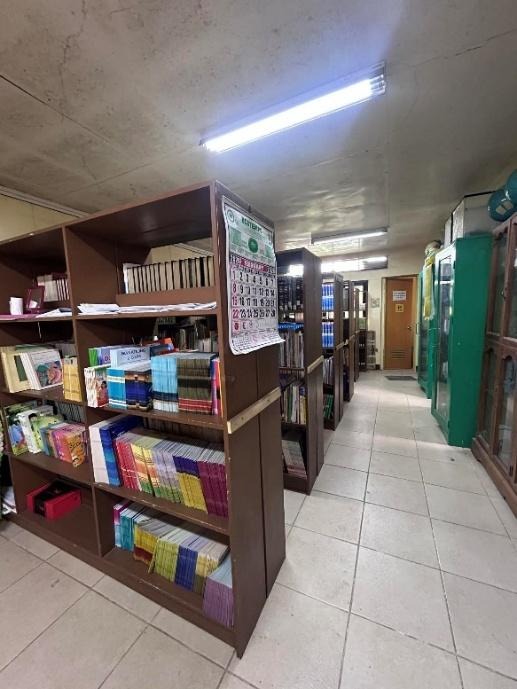
To determine appropriate instruction, the pre-service teachers first assessed the learners through oral reading activities. Each student was asked to read aloud while they were observed based on their pronunciation, word recognition, and reading fluency. From the assessment, learners were grouped according to their reading levels to allow more focused guidance during the sessions. The Pabasa sessions were conducted in a designated office within the school, providing a quiet space for reading interventions. Activities included one-on-one guidance and small-group reading practice, where students were assisted in recognizing letter sounds, blending words, improving pronunciation, and understanding short passages.

Aside from strengthening reading skills, the program also aimed to encourage learner participation and confidence. The pre-service teachers provided positive reinforcement and guided repeated reading activities to help students gradually improve their fluency. Throughout the sessions, they monitored learner progress, prepared reading materials suited to the students’ abilities, and rotated responsibilities in facilitating the groups to ensure that each learner received adequate attention. The program emphasized the importance of targeted reading interventions for learners experiencing difficulties in literacy. It also provided the pre-service teachers with practical experience in implementing remedial instruction and learner-centered reading strategies in a school setting.