The University of Baguio and Khon Kaen University (KKU) continue to sustain a meaningful partnership through robust student exchange and practicum programs. The institution’s Bachelor of Arts in Political Science (BAPS) program continues its goal for academic excellence, which has spanned four batches of student delegates from Thailand since 2022. In turn, the political science program began sending outbound students from UB to KKU (five (5) outbound students from 2025 and three (3) students from 2026).
Within the current academic curriculum, four (4) cultural exchange students are enrolled in the BAPS Practicum class and have recently been deployed at the Baguio City Administrator’s Office. Part of their daily tasks includes administrative work, observance and sit-ins at City Council hearings, joining office activities and departmental sessions, and a chance to learn and experience day-to-day operations firsthand.
Program Alignment with Educational Objectives
The practicum advances key Program Educational Objectives (PEOs), such as manifesting competencies in politics and governance (PEO 1) and demonstrating leadership with good governance principles (PEO 2). Directly fulfilling the proposed Student Outcomes (SOs), including analyzing local political institutions and processes (SO 1). These goals serve both Filipino and international students, exposing the intercultural student delegates to the Philippine governance, which in turn can spark application from general to specific topics and learning for career advancements, all while fostering mutual learning.
Supervision Visits by KKU Professors
To reinforce the given practicum program, visits from professors are conducted to deepen KKU’s understanding of the BAPS internship operations, fostering aligned best practices and mutual program improvement.


Alt Text: Prof. Charles Ruangthamsing from KKU Thailand visiting Baguio City Administrator’s Office on behalf of the University of Baguio inbound and outbound BAPS partnerships
Prof. Charles Ruangthamsing from the KKU College of Local Administration met with the City Administrator, Mr. Vittorio Jerico Cawis, and City Assistant Administrator Mr. Gaudencio Gonzales, for their check-ins and progress reports. In a shared footnote, the student delegates have been recognized for their competence despite recurring language barriers, also giving notable mention and credit to the four Filipino “student buddies” who have helped the KKU interns to have a smoother communication process. Prof. Ruangthamsing expressed gratitude for the city’s support and stressed the value of real-world exposure in political science training and for the city officials who give encouragement in future internship deployments.
On a separate visit on February 10, 2026, Associate Professor Dr. Thanapauge Chamaratana from KKU’s Faculty of Humanities and Social Sciences also had the chance to visit the university and the City Administrator’s Office to have a better understanding of how BAPS conducts its internship program.
Academic and Innovation Engagements
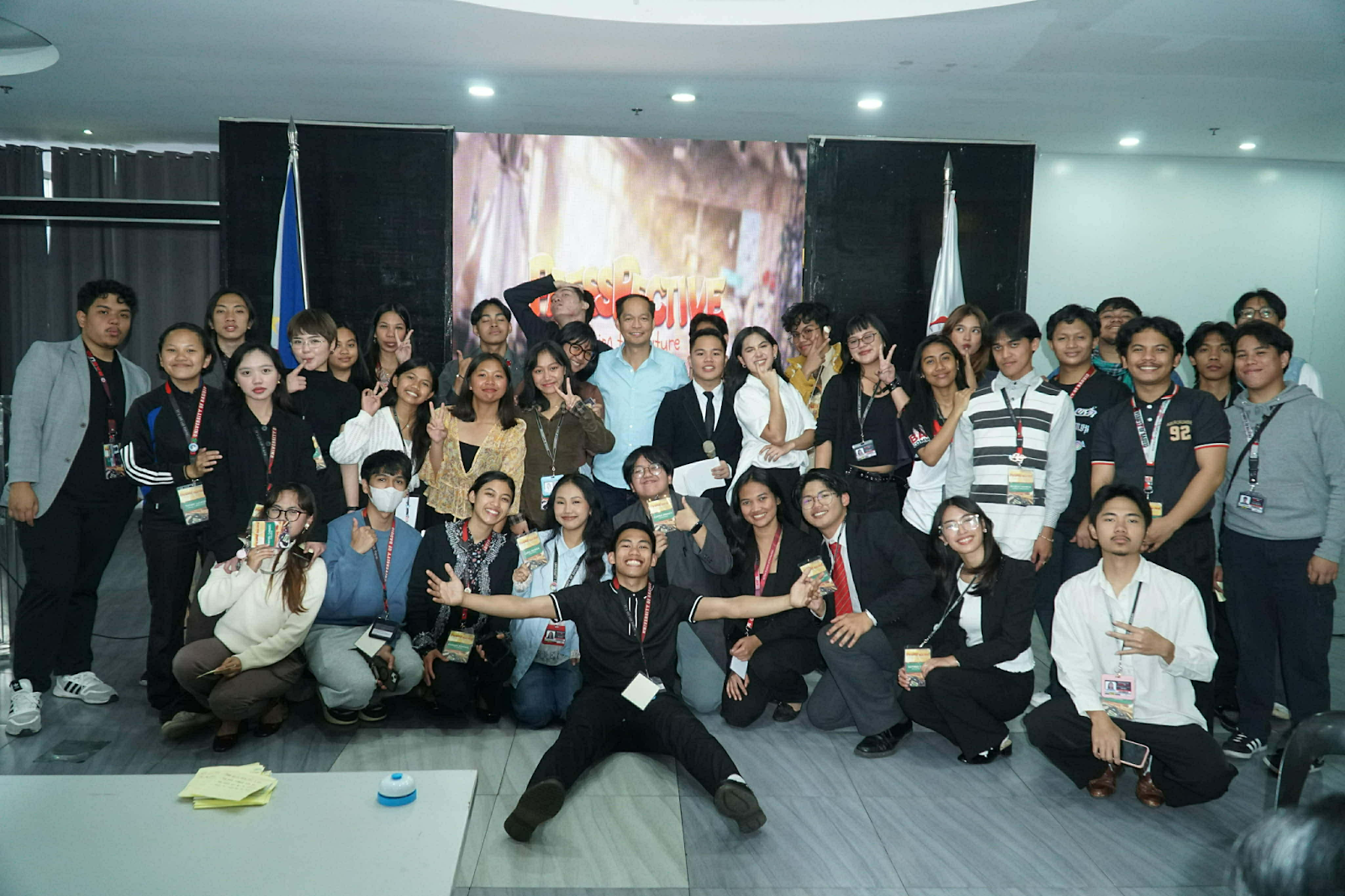
During his visit, Prof. Charles also spoke at BAPS’s open discourse, “Navigating the Digital Frontier: Governance and Strategies for Smart Cities,” partnering with the Baguio City Mayor’s office. To round out the visit, a tour around Baguio City’s Youth Innovation Hub and Smart City Command Center was also done, gaining insights into digital governance innovations of Baguio City and having the endeavor to enrich discussions on ASEAN perspectives and initiatives.


Alt Text: Prof. Charles Ruangthamsing, KKU Thailand; UB BPAS Program Chair, Ms. Marianne Basoyang; and KKU inbound student interns visiting the Baguio City Administrator’s Office
Practicum Key benefits
Promoting the achievement of Sustainable Development Goals 4 (Quality Education), 11 (Sustainable Cities and Communities), and 17 (Partnerships for the Goals), the shared interest and visits directly strengthen the BAPS practicum by introducing joint supervision, which ensures higher-quality internships through shared feedback and standardized evaluations.
Cross-cultural buddy systems build students’ intercultural skills, vital for future political science and local administration careers. The interschool partnerships give the academic community a chance at reciprocity in scaling exchanges, aligning proposed and official curricula, and opening doors for faculty collaborations such as guest lectures. Ultimately, these initiatives elevate both the program’s global relevance, preparing students for regional governance challenges, and aligning with the program outcome(s) to “possess the proper outlook and initiative to pursue related fields of learning.”
—
Written by: Marianne K. Basoyang
Article Enhancement by: Gabriel Madriaga