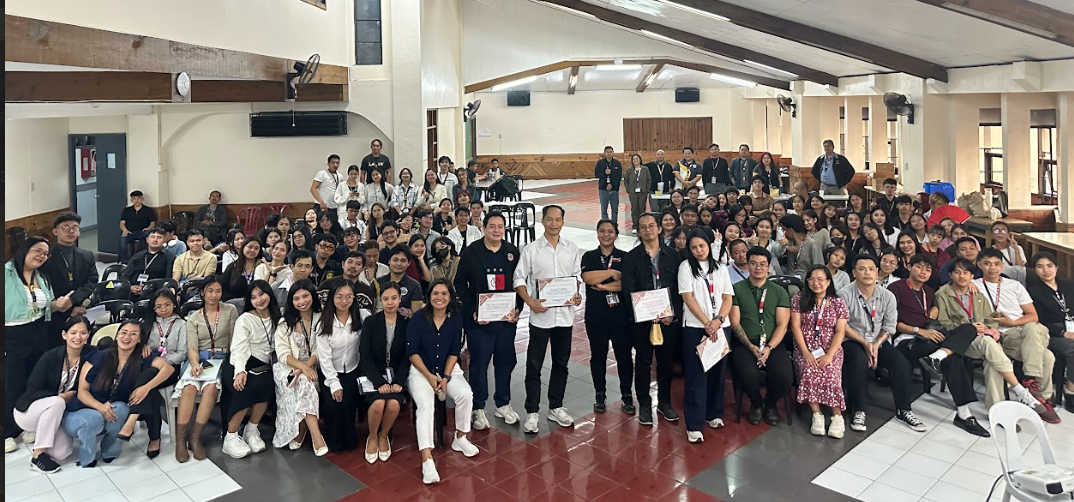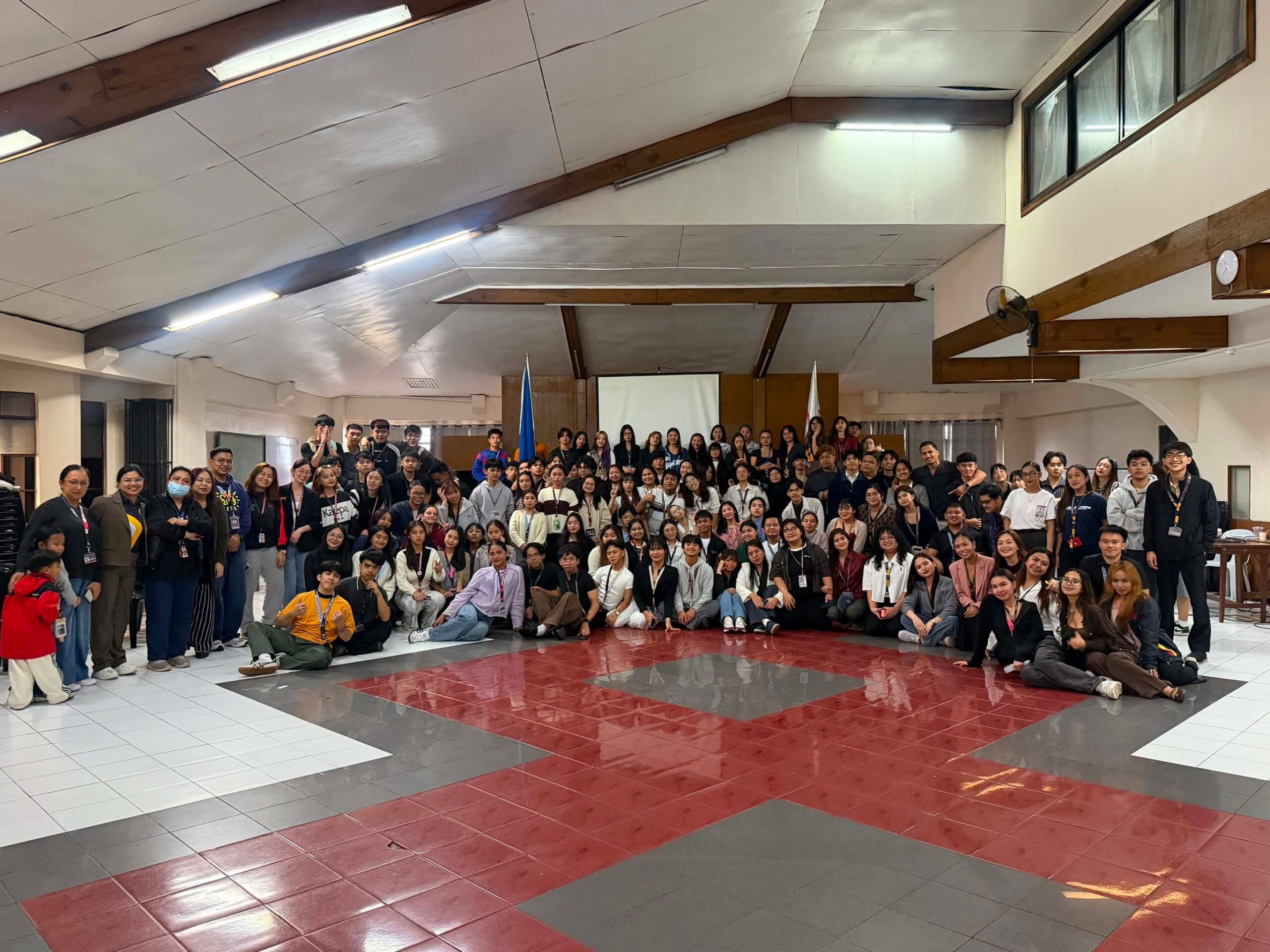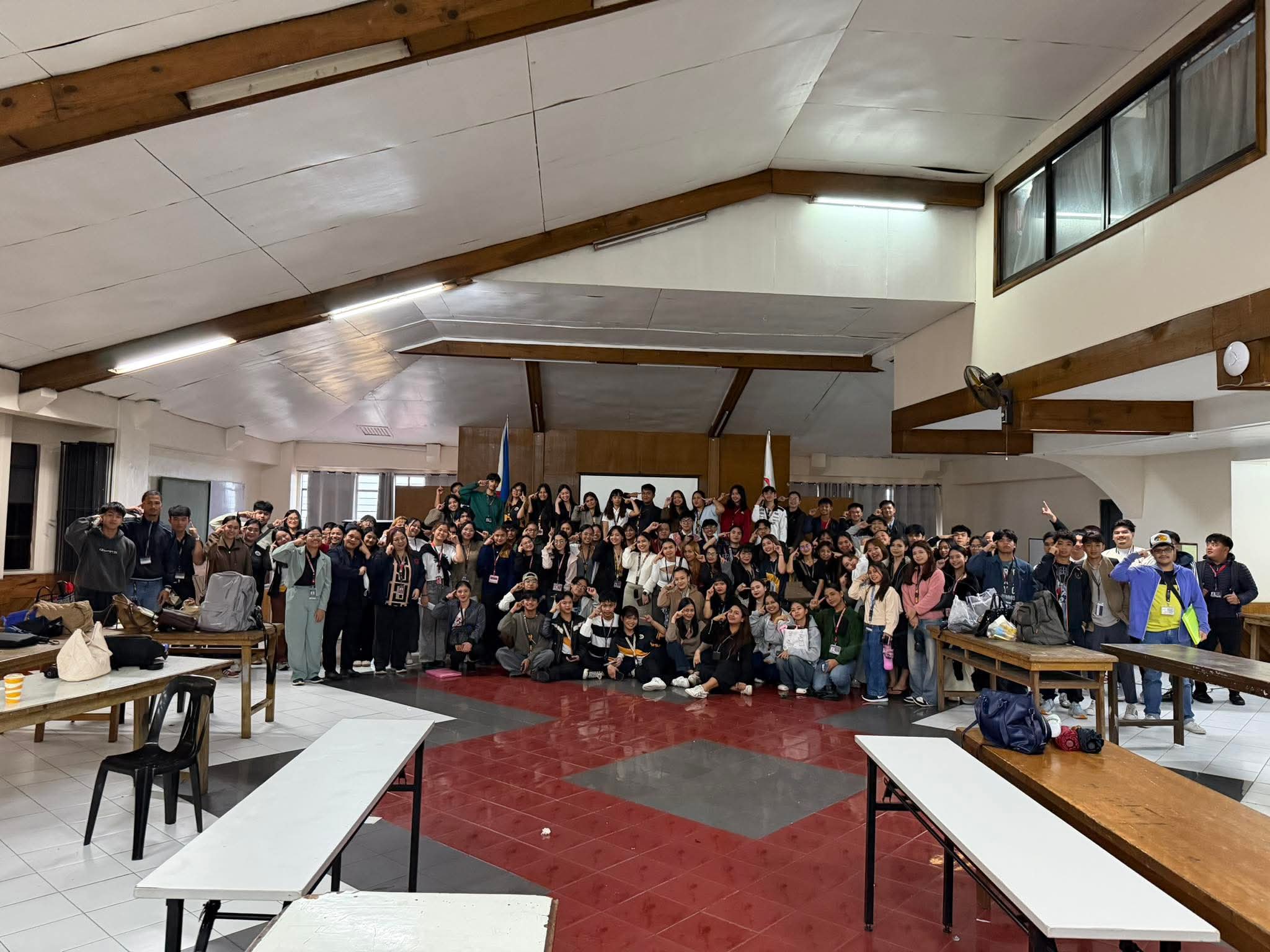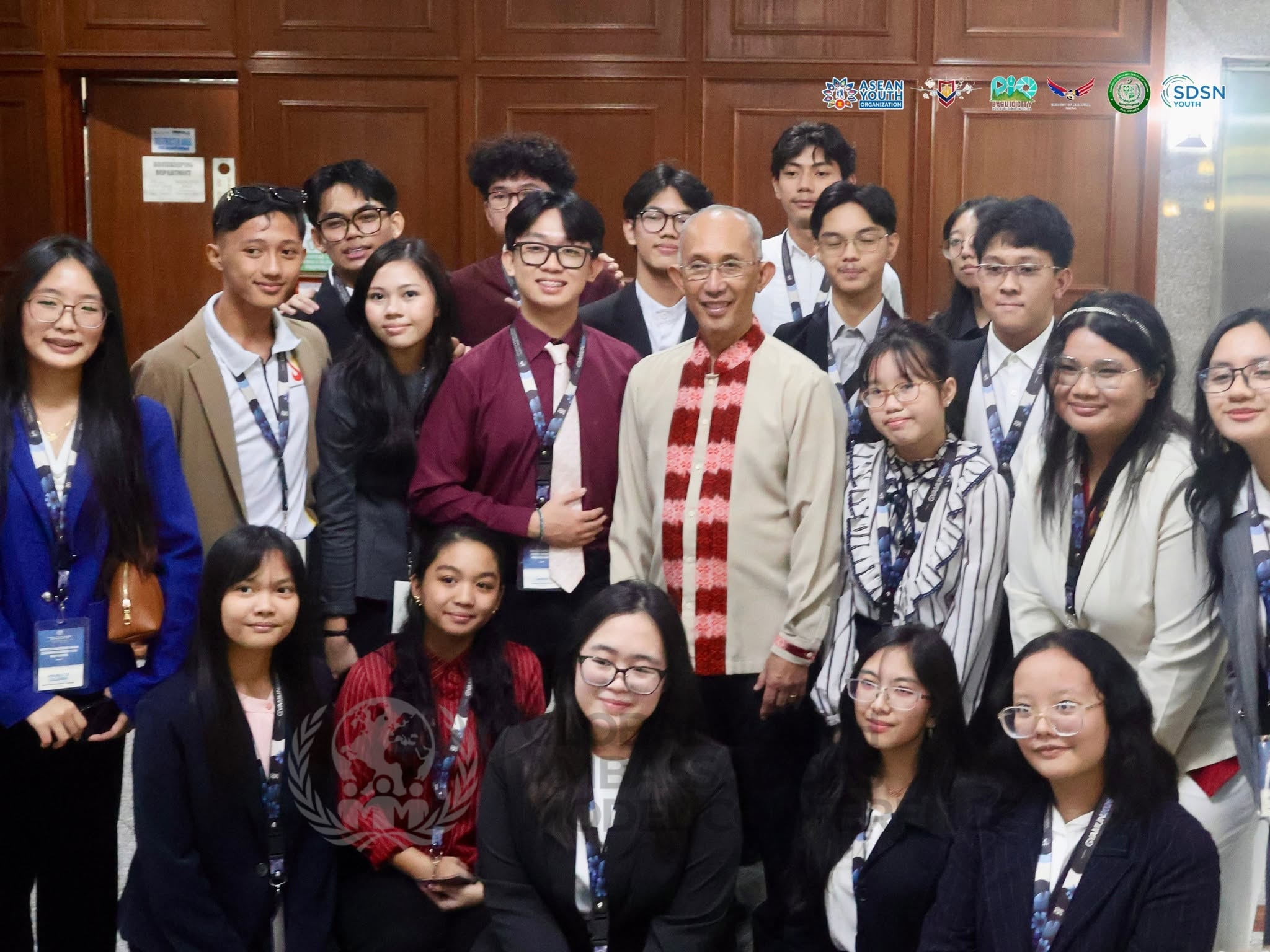
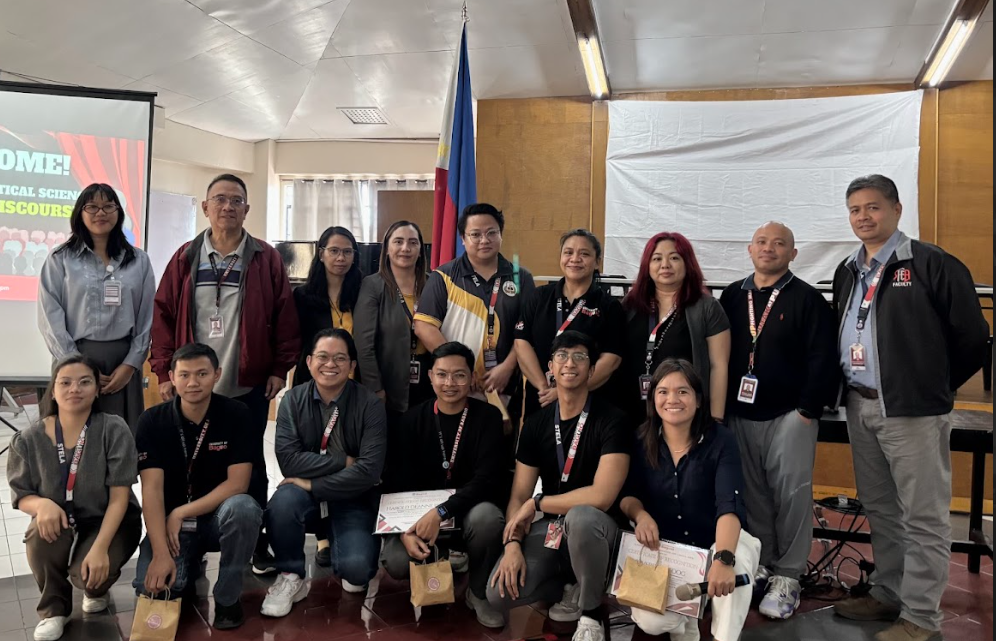
The BA Political Science (BAPS) program of the University of Baguio held its first-ever political discourse, “Trends in Political Science: An Open Discourse,” last October 16, 2025, at the FGB Hall. The event ran from 8:00 AM to 5:00 PM and turned out to be a full day of serious talks, light moments, and plenty of back-and-forth between speakers, faculty, and students.
It wasn’t a stiff academic conference, it felt more like a big classroom with everyone eager to talk and listen. The goal was simple: give both students and teachers a space to talk about the issues shaping today’s world, and see how political science connects to real life.
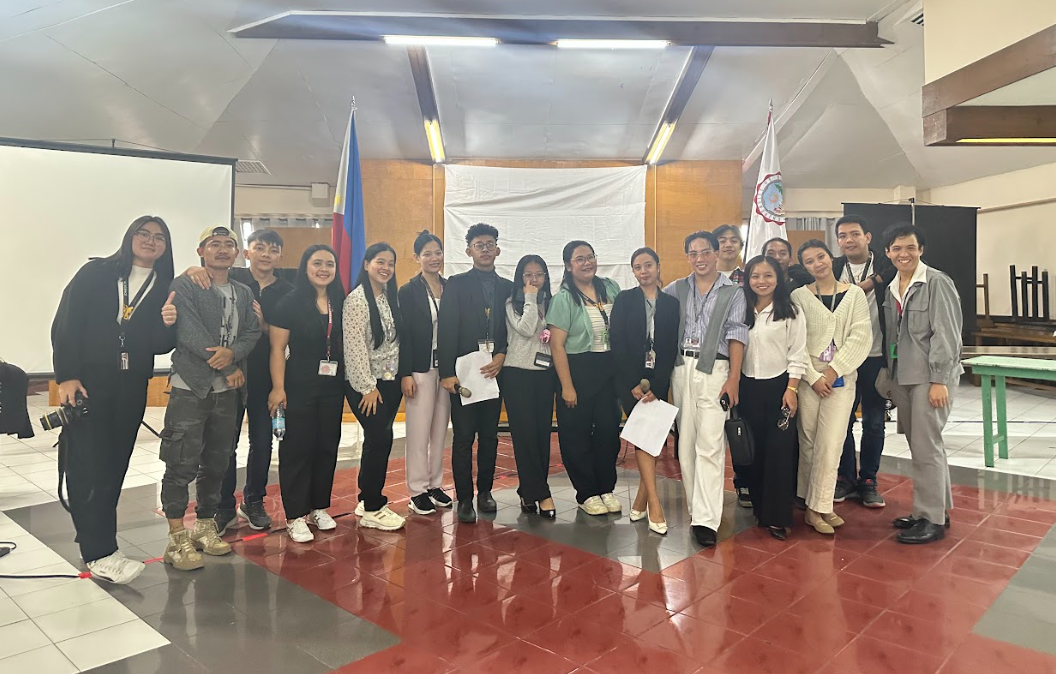
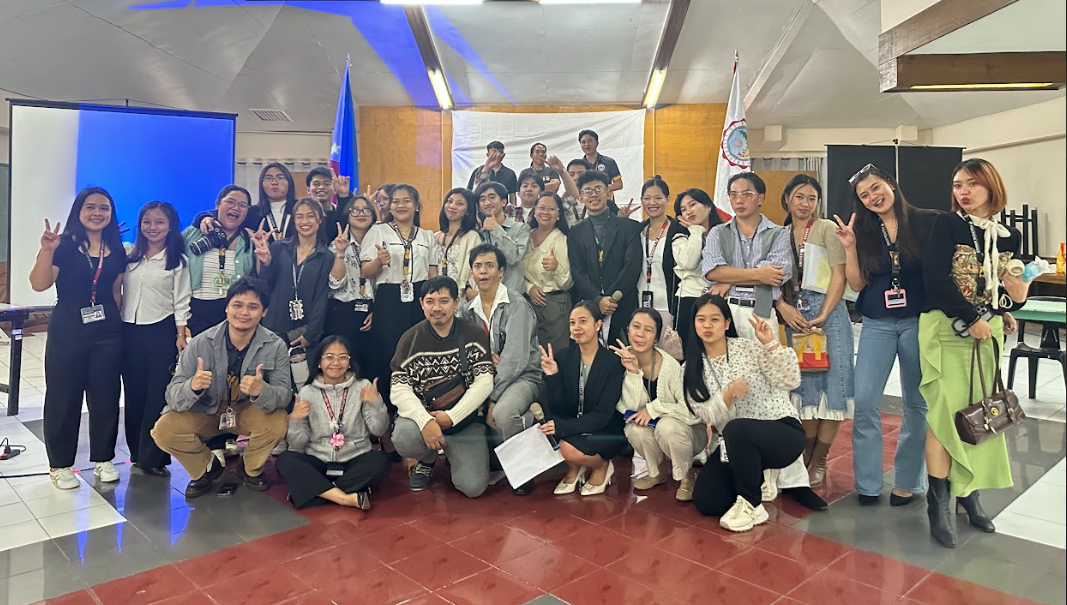
Mr. Brian Flores started the discussion with “Philippine Political Economy.” He broke down how politics and economics constantly affect one another, sometimes for better, sometimes not. In his talk, the idea of balancing political leadership and economic strategies to help shape the country’s progress was emphasized. His talk set the tone for the day: grounded, direct, and relevant.
Next up was Mr. Alfonso Balbin, Jr., who talked about “Geopolitical Shifts.” He explained how the world’s power balance keeps changing and what that means for the Philippines. He also talked about how countries like China and the United States shape smaller countries around the world, such as the Philippines itself. His talk pushed everyone to think beyond local politics and consider how global forces shape national policies. Students during the Q and A particularly focused on the moves of China and how It affects Philippines as a whole.
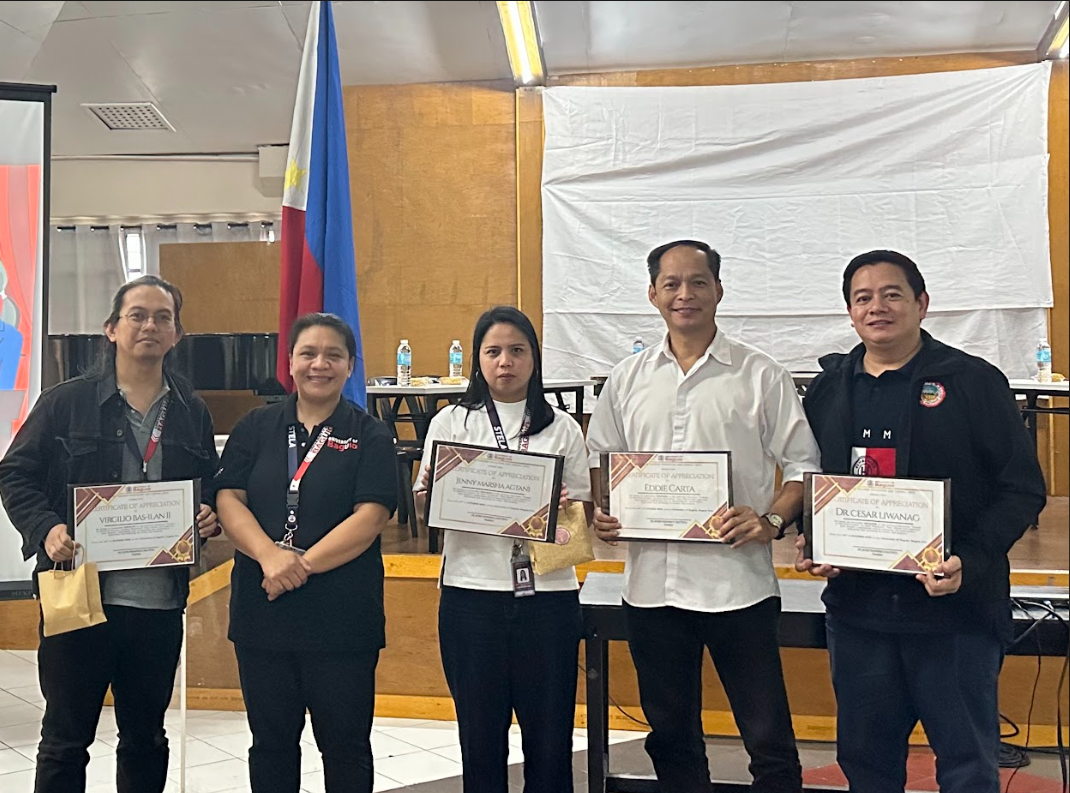
Ms. Jenny Marsha Agtani took on “Gender Politics,” pointing out how representation and equality are still ongoing struggles in governance. Her examples. from everyday workplace bias to national policies. struck a chord with the audience. Her talk showcased how Gender and Equality are not just a social issue but can also be a political issue where we need to safeguard the rights of everyone equally and advocate for better protections and reforms for everyone’s sake.
After lunch, the spotlight shifted to media and communication. Tatang Edong Carta, a well-established media personality, journalist, and radio broadcaster, tackled “Mainstream Media versus Influencers and Vloggers,” asking the room who really holds power over public opinion today. He raised important questions about credibility, bias, and how social media personalities often shape public opinion as much as traditional journalists do. In his talk he also emphasized the difference between journalists and content creators highlighting how only one, the journalists, are recognized by the government as those who can properly share information with the public. The issue of journalistic integrity was also brought up along side the lack of regulation for content creators sharing news online.
Following him, Dr. Cesar Liwanag discussed “The Role of Media in Current Political Issues.” Where his talk complimented Tatang Edong’s, further emphasizing important points already brought up during the earlier talks. He unpacked how narratives are built, twisted, or ignored, and how people can stay critical even when the news feels overwhelming. Both talks reminded the audience of media’s undeniable power in framing political conversations.
Ms. Cristine Andayan later spoke about “Good Governance,” highlighting how leadership starts with honesty and accountability. She reminded everyone that real change doesn’t just depend on laws, but on the people enforcing them. Finally, Mr. Virgilio Bas-ilan II closed the program with “Ethical Dilemmas in Politics,” leaving the audience with questions about how far leaders should go to get things done, and at what moral cost.
The best part? The open forum. Students jumped in with sharp questions and candid opinions. Some agreed, others challenged the speakers, and a few offered personal takes on political issues. Reactors assigned to each speaker helped keep the conversation going, adding fresh insights and connecting ideas between sessions.
By the end of the day, the atmosphere was a mix of exhaustion and satisfaction, the kind that comes from a day spent thinking hard and learning something new. “Trends in Political Science: An Open Discourse” wasn’t just about listening; it was about being part of a conversation that mattered.
It showed what makes Political Science special at UB: curiosity, courage to question, and a genuine desire to understand the world a little better.