Witten by Michelle P Ranges
Photos from Kimberly Alisson S. Tesoro
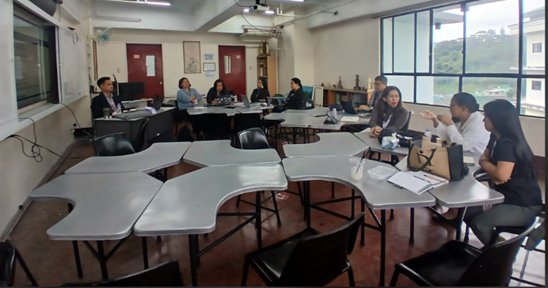
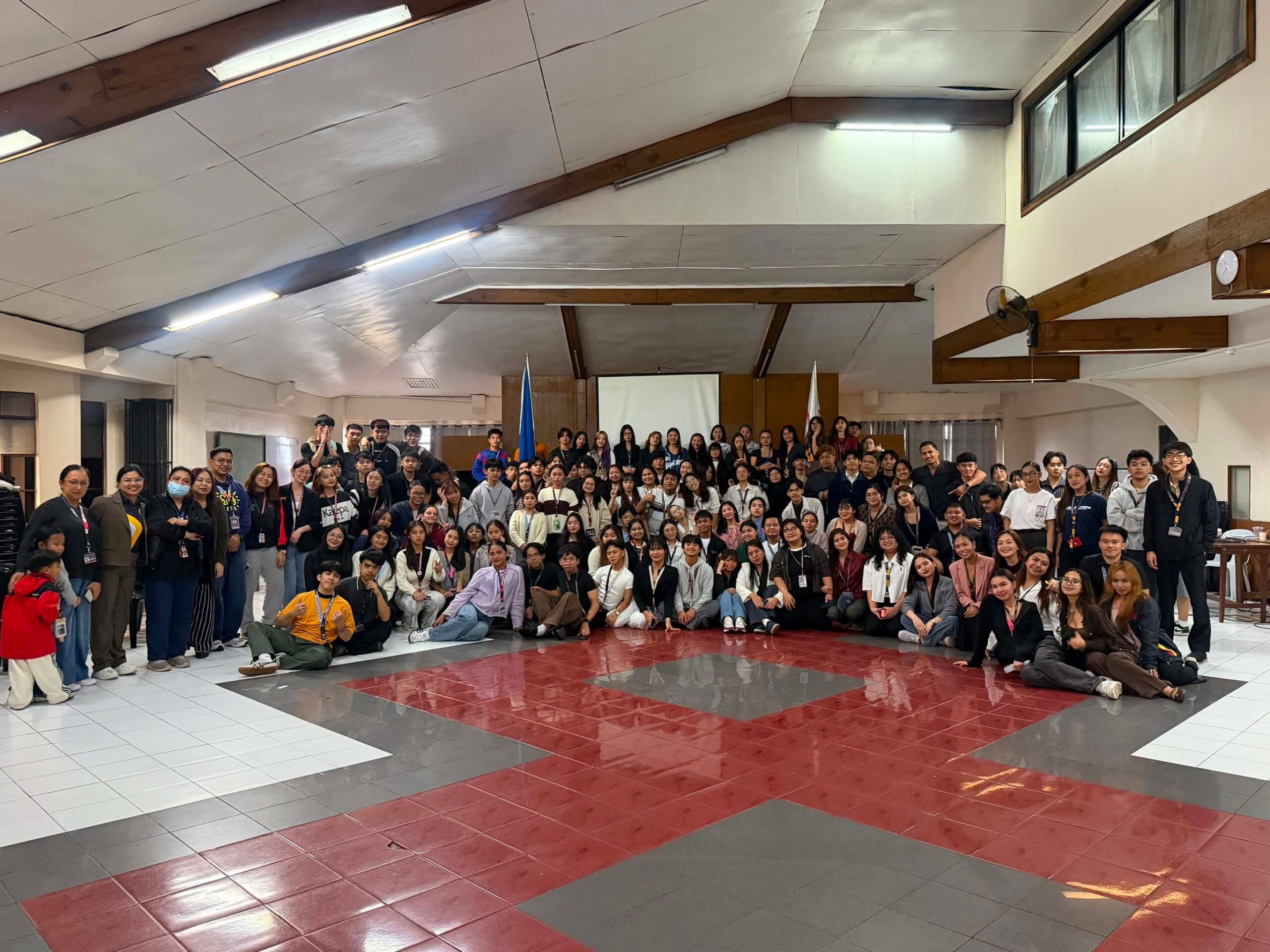
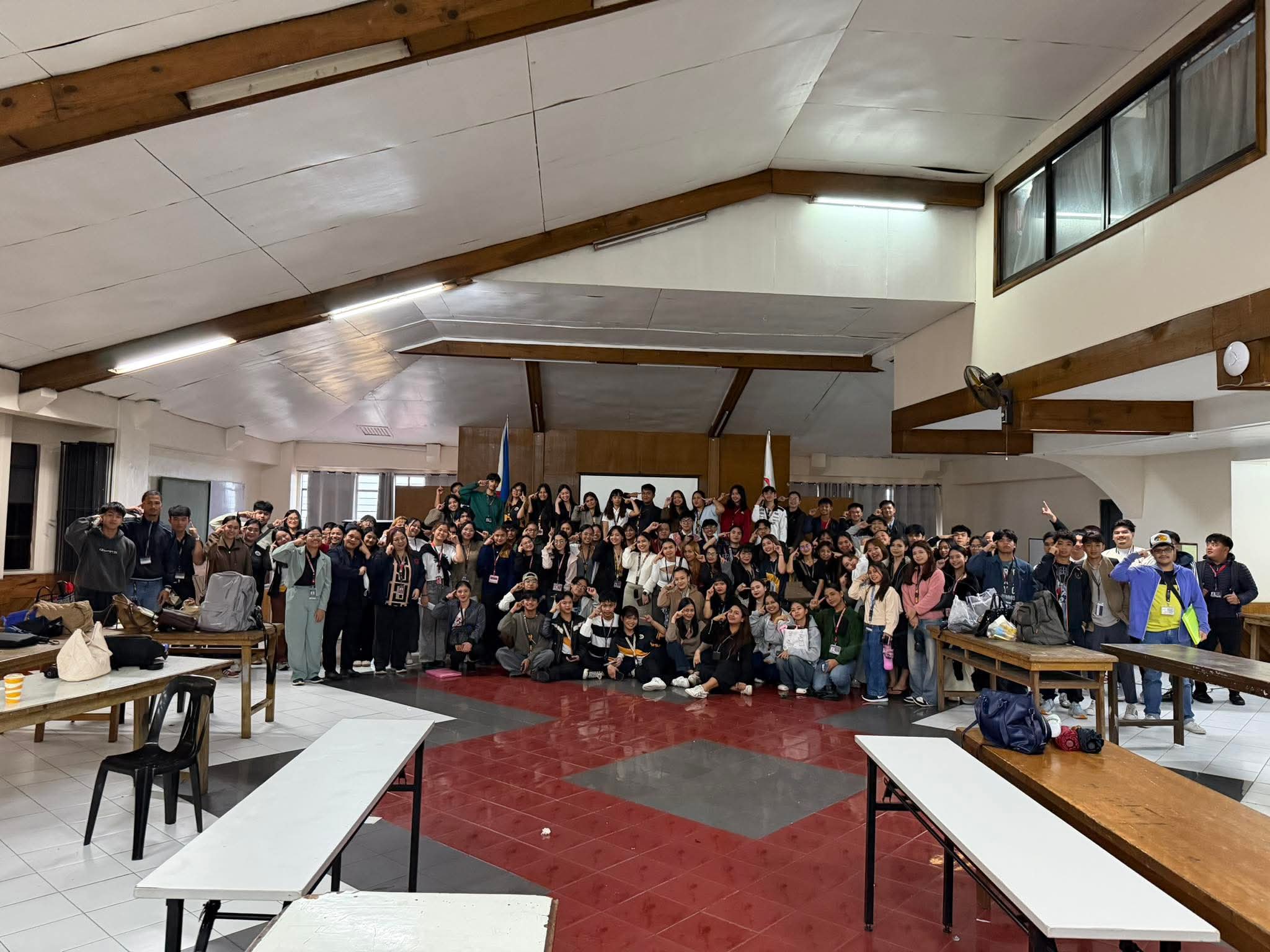
The School of Teacher Education and Liberal Arts (STELA) convened its Professional Learning Community (PLC) and Monthly Meeting on September 25, 2025 at the Science High School’s Function Hall. With faculty members, staff, coordinators, and program chairs in attendance, the event aimed to assess preliminary school activities, strengthen outcomes-based education, share research outputs, and echo seminar learnings.
The objectives of the meeting strongly support the University’s commitment to academic excellence and inclusive education while aligning with the United Nations Sustainable Development Goals. In particular, SDG 4 (Quality Education) was advanced through discussions on outcomes-based instruction, research-driven pedagogy, and faculty development. SDG 10 (Reduced Inequalities) resonated in the outreach initiatives reported, such as literacy and numeracy programs and support for marginalized groups like out-of-school youth and persons with disabilities, ensuring equitable access to learning. At the same time, SDG 17 (Partnerships for the Goals) was demonstrated through collaboration among coordinators, program chairs, faculty, students, and community stakeholders, underscoring the importance of partnerships in advancing sustainable and inclusive education
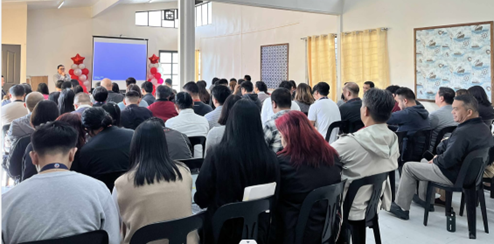
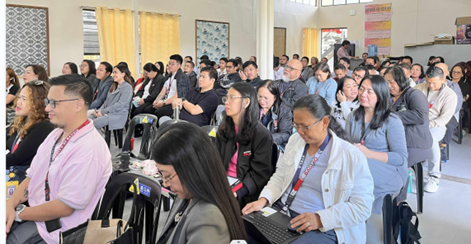
Morning sessions highlighted updates from coordinators and program chairs on outreach, seminars, research colloquia, and competitions. Notable initiatives included The Pages of Progress literacy and numeracy program in Barangay Lucnab and the 3rd STELA Research Colloquium, which addressed pressing issues such as mental health, gender equality, and digital culture. Seminar echoes enriched the discussions—covering CHED’s NSTP policy updates, local governance reforms, and indigenous heritage integration into higher education. These updates emphasized not only policy awareness but also the importance of linking academic practices with community partnerships, a key feature of SDG 17.
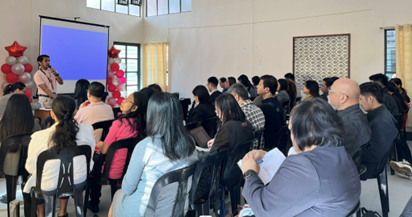
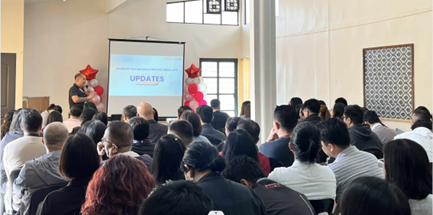
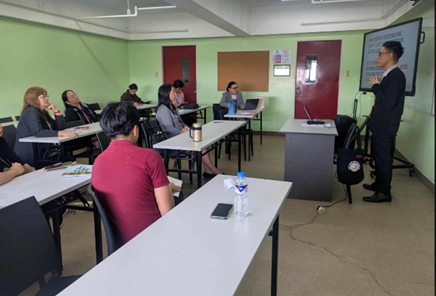
The research presentation segment showcased outputs completed by faculty since January 2025, highlighting studies that directly contribute to the advancement of inclusive and sustainable education. Ms. Marianne Basoyang and Dr Beatrice Dumo presented the Needs Assessment of the Visually Impaired Positive and Progressive Dreamers (VIPPD), which recommended health promotions and livelihood training, aligning with SDG 8 (Decent Work) and SDG 10 (Reduced Inequalities).
Dr Vilma W. Deponio on the other hand shared findings from Exploring Post-Program Trajectories of ALS Junior High School Completers in the CAR, a study that advances SDG 4 (Quality Education) by underscoring equitable access for out-of-school youth. They also shared findings from Exploring Post-Program Trajectories of ALS Junior High School Completers in the CAR, a study that advances SDG 4 (Quality Education) by underscoring equitable access for out-of-school youth.
Meanwhile, Ms. Jenny Marsha Agtani and Ms. Clarisse Aoas introduced their work on Creative Teaching Practices of General Education Instructors, where they proposed the CREATES Framework as a model for innovative pedagogy, linking their findings to SDG 4 (Quality Education). Finally, Mr. Leandro Rosete presented his study on the Adaptability Quotient of Pre-Service Teachers, which emphasized resilience and flexibility as essential skills for navigating dynamic classroom challenges, further reinforcing the goals of SDG 4 (Quality Education)
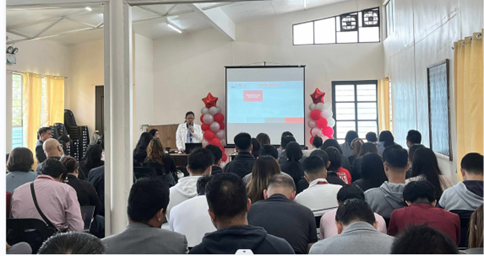

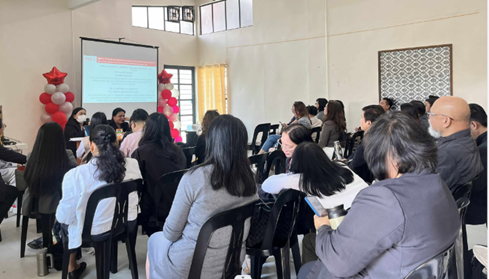
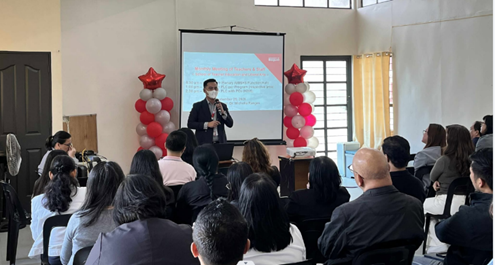
In the afternoon, the assembly continued with cluster PLC sessions, where faculty groups engaged in more focused discussions. The BSED, BEED, and BPED clusters deliberated on preparations for the Center of Excellence (COE) application. The BAEL cluster launched its first TEACH Series under the Faculty Development Program, featuring the session “Getting Yourself Published: How to Be an Academic Textbook Author.” Meanwhile, the BAPS, BA Communication, BA Music, and BS Psychology clusters held their monthly meetings to review progress and outline upcoming activities. At the same time, the Dean met with the Program Chairs to discuss deliverables and plan future initiatives, ensuring that programs remain aligned with institutional goals and accreditation standards. This collaborative process further strengthened the feedback loop between administration and academic units, reflecting SDG 17’s emphasis on effective and accountable partnerships.
The impact of the PLC is both immediate and long-term. Immediately, faculty gained updated knowledge, reinforced teaching strategies, and strengthened peer collaboration. In the long term, the meeting fosters research-driven teaching, inclusive outreach initiatives, and continuous professional growth, ensuring that STELA remains a hub of innovation and service. By grounding academic work in the SDGs, STELA affirms its commitment to building a resilient, inclusive, and sustainable education community.